
How Pathways Enhance Curb Appeal and Functionality
Walkways are more than just paths in a garden. They serve a vital role in guiding visitors, enhancing visual appeal, and improving the functionality of outdoor spaces. In many residential landscapes, walkways can be a key element that ties together various aspects of design while providing practical benefits. By thoughtfully designing and placing these pathways, homeowners can make their gardens both beautiful and accessible.
Importance of Design in Creating Walkways
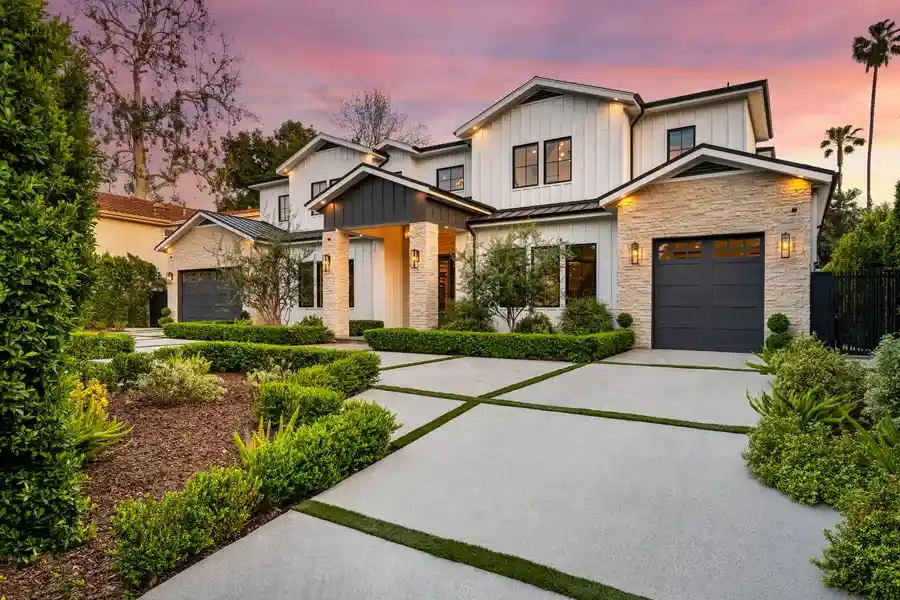
Designing a walkway involves more than just laying down stones or bricks. It’s about integrating the path into the overall layout to complement other elements. In front yard landscaping, this becomes crucial as the walkway is often one of the first things people see. It should not only lead somewhere but do so in a visually appealing way. A well-designed walkway can enhance the entire space, making it feel more welcoming and cohesive.
Materials Matter: Choosing the Right Ones
The materials used for walkways greatly affect both aesthetics and practicality. Natural stone, brick, and concrete are popular choices, each offering different textures and colors. The choice of material should match the style of your home and garden while also ensuring durability. In any front yard landscaping project, choosing the right materials will help in achieving a lasting impact.
Practical Benefits of Walkways
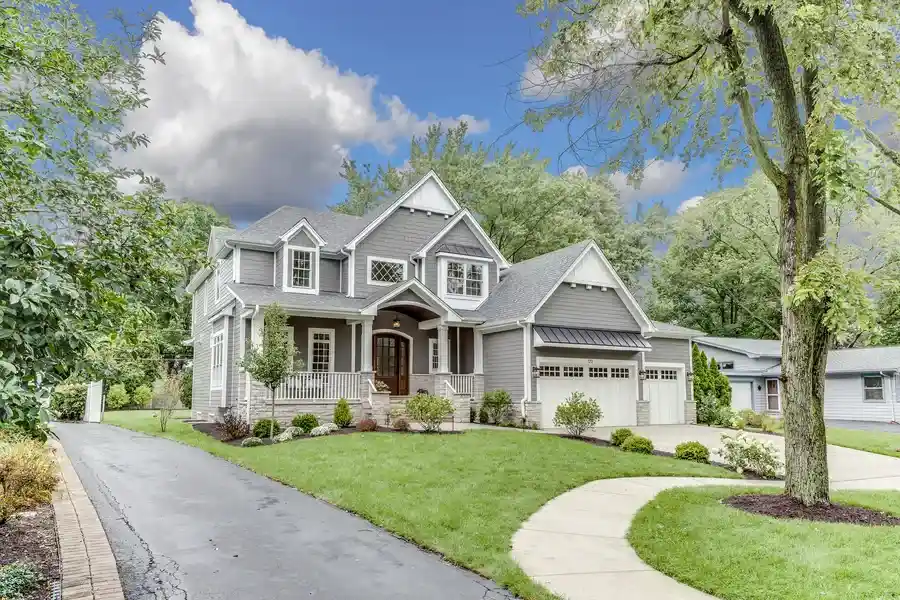
Beyond aesthetics, walkways offer several practical benefits. They guide foot traffic efficiently, protecting lawns and delicate plants from being trampled. This functional aspect is especially critical in high-traffic areas or where certain parts of the garden need protection. Well-placed walkways can direct guests safely around the yard without damaging your landscape investments.
Enhancing Your Garden’s Aesthetic Value
Walkways add an aesthetic dimension to gardens by creating lines that draw the eye and give structure to the overall design. You can use curves or straight lines to create different effects. Curved walkways often lead to a sense of mystery and discovery, while straight paths add formality and order. Both options have their place depending on what you want to achieve in your landscape.
Common Challenges in Walkway Design
One common challenge when designing walkways is balancing aesthetics with safety. Surfaces must not only look good but should also provide enough traction to prevent slips. Another issue is drainage; poorly designed paths can lead to water pooling, which can damage both the path itself and surrounding plants. Thoughtful design addresses these challenges effectively.
Steps to Create an Effective Walkway
- Plan the route: Start by sketching out where you want the path to go.
- Select materials: Choose based on durability, cost, and appearance.
- Prepare the ground: Ensure proper leveling for drainage.
- Lay the foundation: Compact gravel or sand base before setting materials.
- Install edging: Keeps materials in place and adds definition.
- Add finishing touches: Consider lighting or greenery alongside paths.
Tips for Maintenance and Longevity
- Regularly remove debris to keep surfaces clear.
- Check for and repair any cracks promptly.
- Re-seal stone or concrete periodically to protect against weathering.
- Ensure adjacent vegetation is pruned to prevent encroachment.
Conclusion: Planning for Beauty and Functionality
Incorporating well-thought-out walkways into your landscaping plan doesn’t just improve navigation; it enhances curb appeal and increases property value. When done correctly, these paths can transform an ordinary yard into a picturesque retreat that’s both functional and visually pleasing. At Barry Landscape & Maintenance Service, we understand how important these details are in crafting beautiful landscapes. Located in Bellevue, WA, our team specializes in creating stunning garden designs that meet every need. Contact us today at (425) 686-9921 for expert advice on making your outdoor space truly shine.